


Aviva Investors launches tokenized Sterling UCITS share class on XRP Ledger
Aviva Investors created a tokenized Sterling share class for a UCITS money‑market fund on the XRP Ledger using a digital‑twin model, with BNY Mellon, Komainu and Licuido supporting custody and infrastructure.
Aviva Investors has issued a tokenized Sterling share class for an existing UCITS money‑market fund on the XRP Ledger, using what the manager describes as a "digital twin" representation of the conventional fund.
What happened
Evidence:
- The Block reported the launch on October 26, 2026, describing a new Sterling Liquidity Fund share class tokenized on the XRP Ledger under a digital‑twin model. [The Block](https://www.theblock.co/news/business/2026-10-26-aviva-investors-ripple-tokenized-share-class-sterling-fund-xrp-ledger-431712)
- The underlying fund is domiciled in Ireland and operates as a UCITS money‑market fund. [The Block](https://www.theblock.co/news/business/2026-10-26-aviva-investors-ripple-tokenized-share-class-sterling-fund-xrp-ledger-431712)
- Aviva invested £50 million into the new share class, bringing its total across two tokenized money‑market share classes to more than £86 million. [The Block](https://www.theblock.co/news/business/2026-10-26-aviva-investors-ripple-tokenized-share-class-sterling-fund-xrp-ledger-431712)
- BNY Mellon is the conventional fund’s asset‑holder (custodian); digital asset custodian Komainu and infrastructure provider Licuido supported the tokenized launch, with Ripple involved in the announcement. [The Block](https://www.theblock.co/news/business/2026-10-26-aviva-investors-ripple-tokenized-share-class-sterling-fund-xrp-ledger-431712)
- Aviva stated that the tokenized shares carry the same investment objective, risk profile, liquidity characteristics and regulatory protections as the conventional share class; investors must use an eligible digital wallet to access the on‑chain share class. [The Block](https://www.theblock.co/news/business/2026-10-26-aviva-investors-ripple-tokenized-share-class-sterling-fund-xrp-ledger-431712)
Explainer (evergreen): What is a digital‑twin tokenized share class?
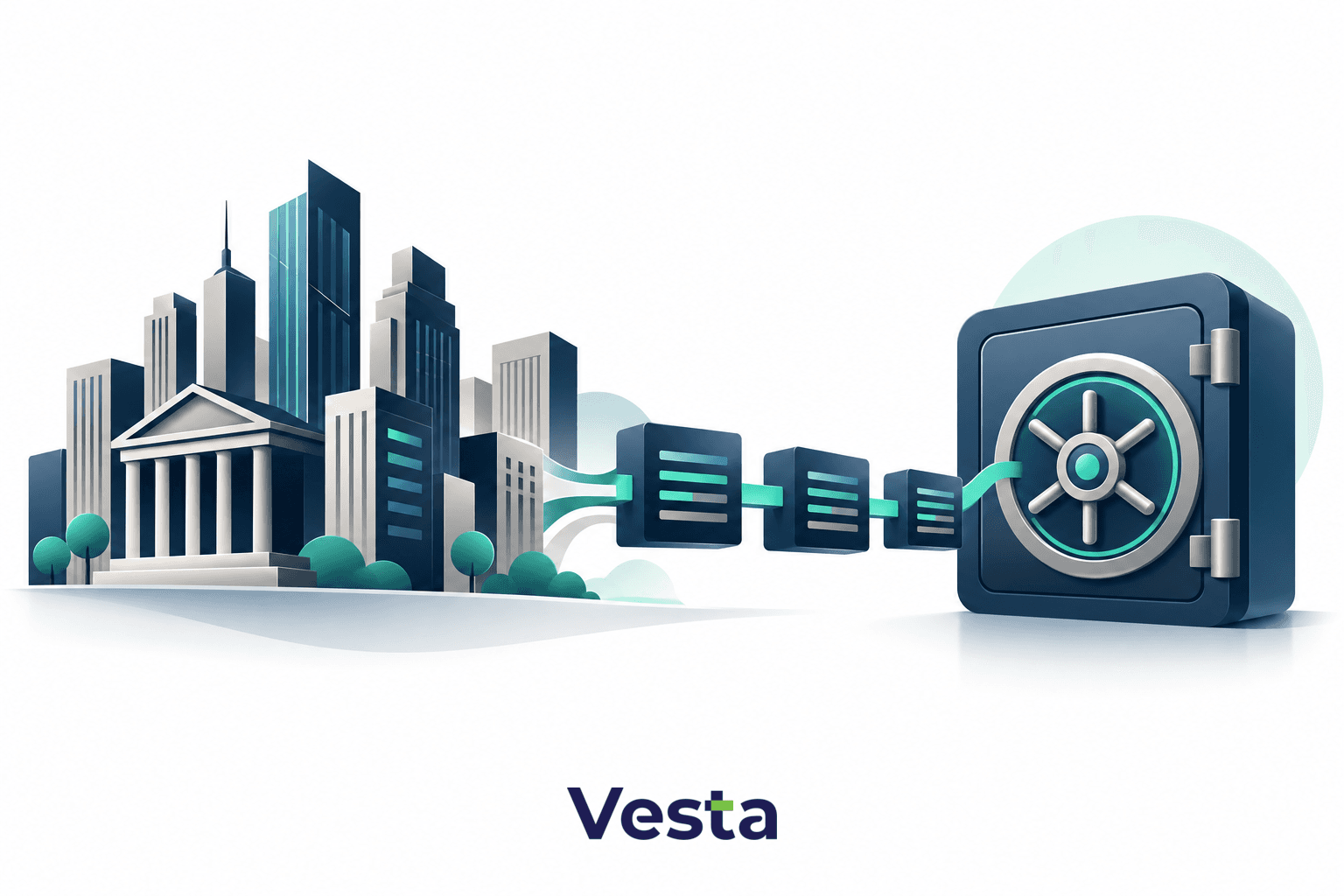
A digital‑twin tokenized share class is an on‑chain representation of an existing conventional share class of a fund. The conventional fund and its regulatory master register remain the legal source of truth; the token acts as a parallel ledger entry that mirrors ownership and entitlements. This setup aims to combine the regulatory protections and established servicing of traditional funds with the programmability and on‑chain transfer mechanics of blockchain records.
Key design elements typically involved
- A single master register maintained by the fund manager or transfer agent that remains legally controlling.
- An on‑chain token that maps to positions in the master register via an operational reconciliation process.
- Custody arrangements that separate conventional asset custody from digital custody for the on‑chain representation.
- Eligibility and onboarding rules (for example, requiring approved wallets) that the issuer sets to satisfy regulatory and fund rules.
This section is an explainer — evergreen material summarizing common industry approaches rather than breaking news.
Operational evidence and the open questions
Evidence (from the announcement):
- The project used established financial institutions and digital custody providers: BNY Mellon for the conventional asset‑holder role, Komainu for digital custody, and Licuido for infrastructure. [The Block](https://www.theblock.co/news/business/2026-10-26-aviva-investors-ripple-tokenized-share-class-sterling-fund-xrp-ledger-431712)
- The tokenized share class is intended to have the same regulatory protections and liquidity characteristics as the conventional class, per Aviva’s statement. [The Block](https://www.theblock.co/news/business/2026-10-26-aviva-investors-ripple-tokenized-share-class-sterling-fund-xrp-ledger-431712)
Unknowns and practical considerations (items not detailed in the announcement):
- Exactly how transfer restrictions, freezing, or approval controls are implemented on‑ledger (e.g., whether the tokens support on‑chain administrative functions to enforce fund rules). The public summary does not publish the full legal or custody agreement. [The Block](https://www.theblock.co/news/business/2026-10-26-aviva-investors-ripple-tokenized-share-class-sterling-fund-xrp-ledger-431712)
- How daily operational workflows — NAV reporting, redemption processing, investor servicing and reconciliation between the master register and on‑chain records — are executed in practice and automated. [The Block](https://www.theblock.co/news/business/2026-10-26-aviva-investors-ripple-tokenized-share-class-sterling-fund-xrp-ledger-431712)
- The investor composition and scale beyond Aviva’s own initial investment (institutional vs retail participation) are not disclosed. [The Block](https://www.theblock.co/news/business/2026-10-26-aviva-investors-ripple-tokenized-share-class-sterling-fund-xrp-ledger-431712)
Interpretation: what practitioners should watch next
The Aviva example is a useful precedent because it shows a major asset manager using a digital‑twin approach with both traditional and digital custodians involved. For fund issuers, custodians and distributors, this highlights several practical priorities:
- Clear contractual provisions that define legal primacy of the master register and the operational reconciliation process.
- Robust custody and segregation arrangements for tokenized instruments and a clear incident‑response plan for discrepancies between ledgers.
- Investor onboarding and wallet eligibility controls that satisfy fund rules and KYC/AML requirements.
- Detailed automation of NAV, corporate actions and redemptions to ensure on‑chain tokens reflect economic and legal entitlements daily.
These interpretations are reasoned analysis based on the announcement and common industry practices; they are not new facts from the source.
Next steps for stakeholders
Fund managers considering tokenized share classes should request full legal and operational documentation for any pilot, validate reconciliation and custody flows, and confirm how investor servicing will be handled during trading and redemptions. Custodians and transfer agents should test lifecycle events end‑to‑end, including stress scenarios where ledger and master register diverge.
Draft — for review; not published.